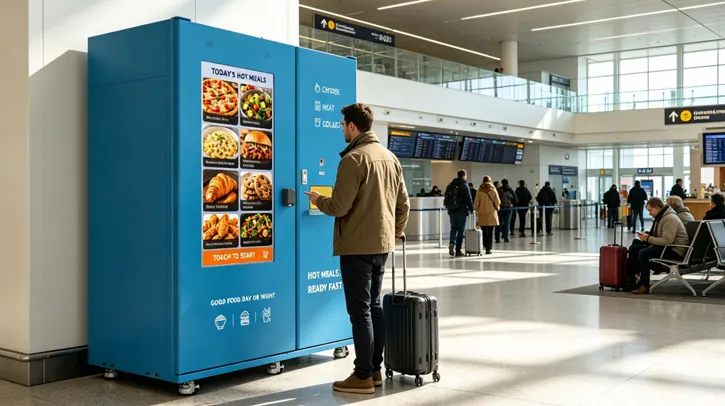
As organizations look for more flexible ways to provide food access beyond traditional cafeterias, hot food vending machines are becoming an increasingly practical option for workplaces, hospitals, schools, transportation hubs, and other commercial environments.
Modern hot food vending machines are no longer limited to simple product dispensing. They combine refrigerated storage, automated heating, payment systems, and remote management features to help operators provide convenient meals with less reliance on staffed food counters.
However, choosing the right manufacturer is not only about comparing machine size, appearance, or price. A reliable hot food vending machine supplier should understand food safety requirements, operational challenges, customization needs, and long-term service support.
For businesses planning to introduce unattended meal services, evaluating the right factors before purchasing can help improve operational reliability and long-term return.
Evaluate the Complete Food Service Process
A commercial hot food vending machine should provide a consistent experience from meal storage to final delivery.
When selecting a manufacturer, buyers should consider whether the equipment can maintain food quality, deliver consistent heating performance, and operate reliably in different environments.
Important factors include:
Temperature-controlled food storage
Reliable heating performance
Compatibility with different meal containers
Consistent heating time
Food safety management
A well-designed system should ensure meals remain properly stored before purchase while providing customers with a convenient and predictable self-service experience.
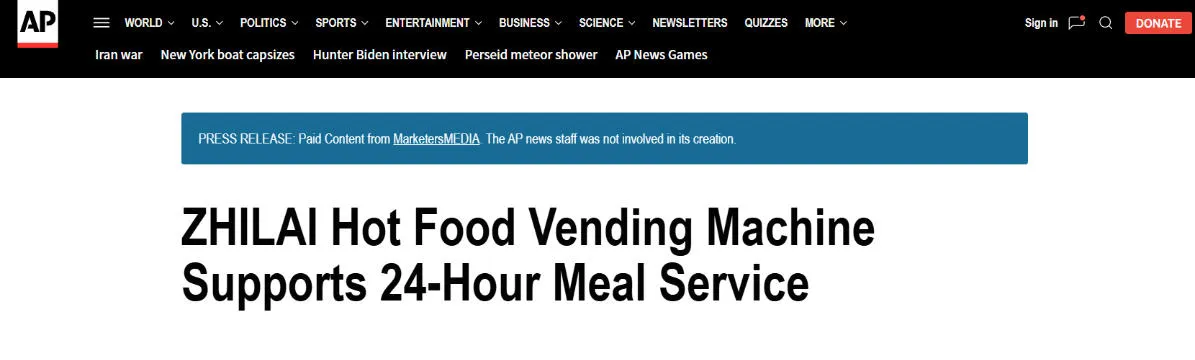
In a recent press release published on AP News, ZHILAI highlighted how its hot food vending machine solution supports 24-hour meal service through refrigerated storage, automated microwave heating, and remote management capabilities.
The announcement reflects the growing demand for unattended food service solutions that help organizations extend meal availability beyond traditional operating hours.
Read the full press release on AP News →
Choose a Manufacturer That Understands Different Applications
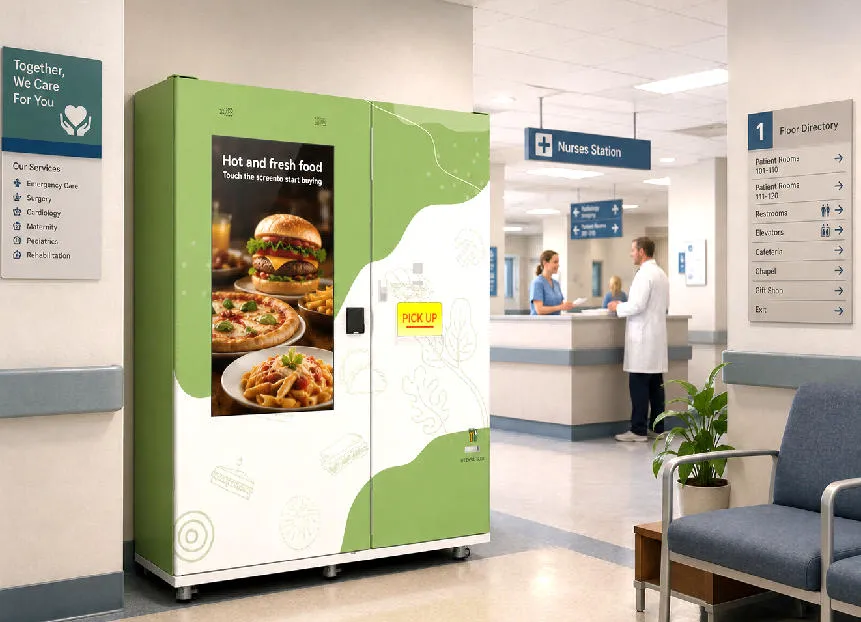
A hot food vending machine installed in a hospital may have very different requirements from one placed in an office building or transportation hub.
Hospitals and Healthcare Facilities
Key considerations may include:
Office Buildings
Businesses may prioritize:
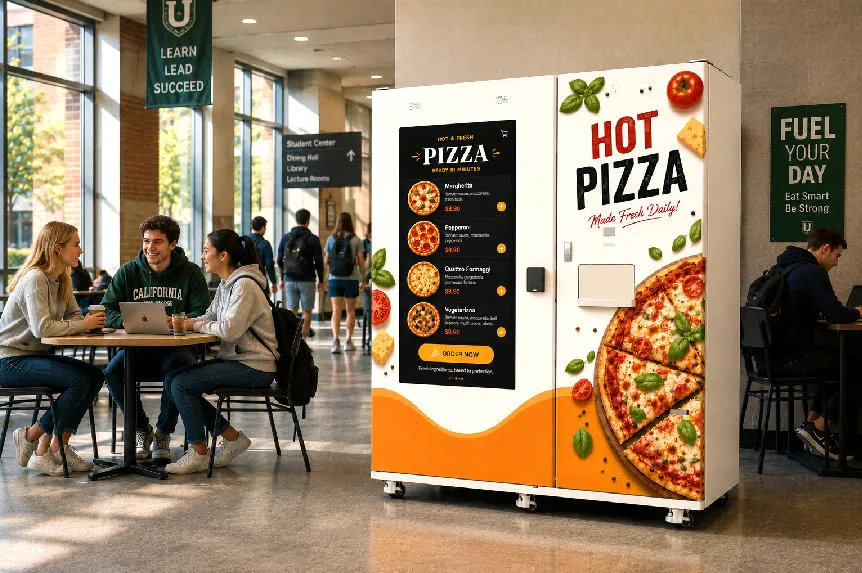
Transportation Hubs and Educational Facilities
These locations often require:
An experienced manufacturer should be able to recommend suitable configurations based on the operating environment instead of providing a one-size-fits-all solution.
Verify Food Storage and Heating Capabilities
Food safety and heating consistency are among the most important factors when choosing a hot food vending machine.
Before making a purchase decision, buyers could ask some questions:
How does the machine maintain storage temperature?
What heating technology is used?
How long does meal preparation take?
Can the machine support different food formats?
Unlike traditional vending machines, hot food vending equipment needs to manage both refrigeration and heating processes while maintaining a consistent user experience.
ZHILAI’s hot food vending machine solution combines refrigerated storage with automated heating technology, allowing operators to provide ready-to-eat meals without requiring a continuously staffed food counter.
Consider Remote Management and Operational Efficiency
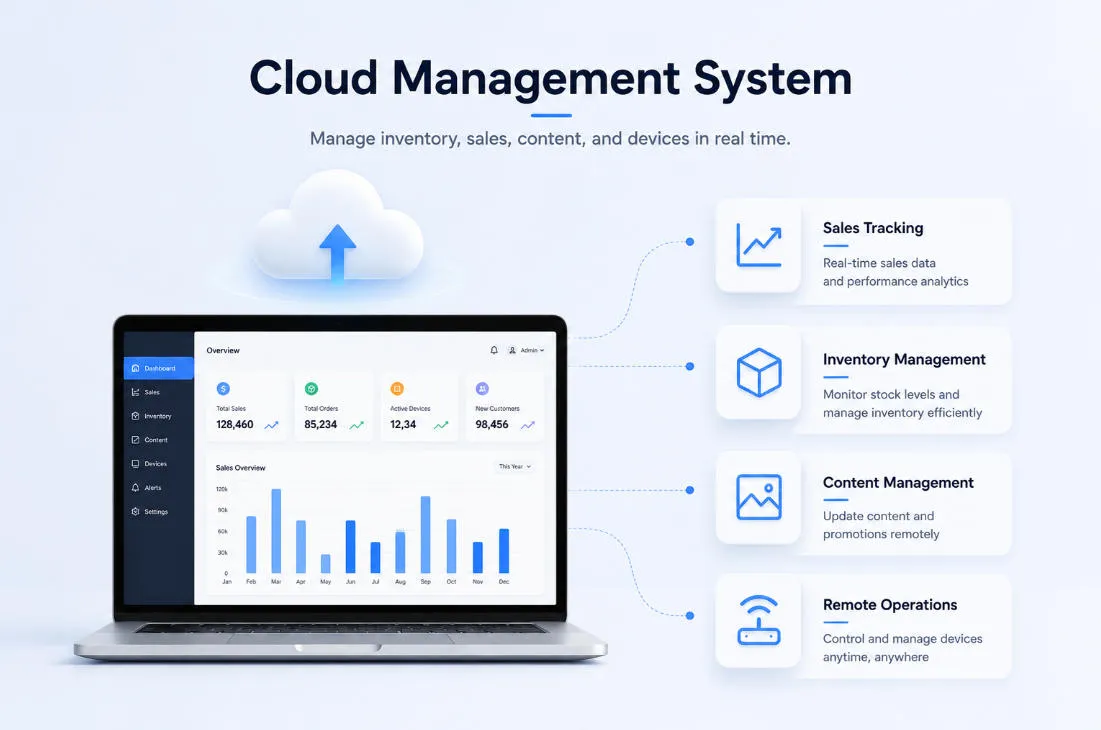
For operators managing multiple machines or locations, remote management features can significantly improve efficiency.
Useful capabilities may include:
These features allow operators to better understand machine performance, reduce unnecessary site visits, and support future expansion.
Look for Customization and Complete Project Support
Purchasing a hot food vending machine is often part of a larger deployment project. A reliable manufacturer should provide support throughout different stages.
For overseas customers, strong project support is especially important because successful deployment often requires communication, training, and long-term cooperation.
Consider Long-Term Operational Value
The initial equipment cost is only one part of a vending project investment.
Businesses should also consider:
Extend food service hours
Reduce dependence on staffed counters
Improve customer convenience
Create more flexible meal access options
Select a Manufacturer with Proven Experience
Before choosing a supplier, buyers should review:
Product information and technical specifications
Real application examples
Manufacturing capabilities
Customer support resources
Company background
A manufacturer with proven experience can provide more confidence in equipment quality, project execution, and long-term cooperation.
Conclusion
A hot food vending machine is more than a piece of vending equipment. It is an unattended food service system designed to improve accessibility, efficiency, and convenience.
When selecting a manufacturer, businesses should look beyond price and appearance. The right partner should provide reliable equipment, flexible customization, and ongoing support to ensure successful deployment.
As demand for convenient and accessible food options continues to grow, hot food vending machines are becoming an effective solution for organizations seeking flexible 24-hour meal service.