In an era defined by rapid technological advancement and shifting consumer expectations, smart vending machines have emerged as a groundbreaking innovation, redefining the boundaries of automated retail. These next-generation devices transcend the traditional role of dispensing snacks and beverages, integrating cutting-edge technologies such as artificial intelligence (AI), Internet of Things (IoT), and data analytics to deliver personalized, efficient, and interactive shopping experiences. As businesses and consumers increasingly prioritize convenience, sustainability, and seamless transactions, smart vending machines are poised to become ubiquitous fixtures in urban landscapes, workplaces, and public spaces worldwide.
The history of vending machines dates back to the 1st century AD, when the Greek engineer Hero of Alexandria invented a device that dispensed holy water. However, the modern vending machine as we know it took shape in the late 19th and early 20th centuries, with the introduction of coin-operated machines selling postcards, tobacco, and soda. For decades, these machines remained largely mechanical, relying on simple mechanisms to deliver products.
The digital revolution of the late 20th century brought about the first wave of automation, with electronic payment systems and basic inventory tracking. Yet, it was the advent of smart technologies in the 21st century that truly transformed vending machines into intelligent systems. Today’s smart vending machines for sale are equipped with touchscreens, cameras, sensors, and connectivity modules, enabling them to interact with users, monitor inventory in real time, and even analyze consumer behavior.
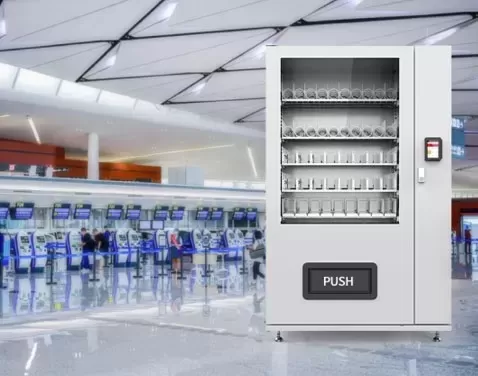
Touchscreen Interfaces and User-Friendly Design
Modern smart vending machines feature high-definition touchscreens that simplify the purchasing process. These interfaces of touchscreen vending machine allow users to browse product catalogs, view nutritional information, and customize orders (e.g., selecting drink temperatures or ingredient combinations). Some machines even support multilingual options, catering to diverse customer bases in global markets.
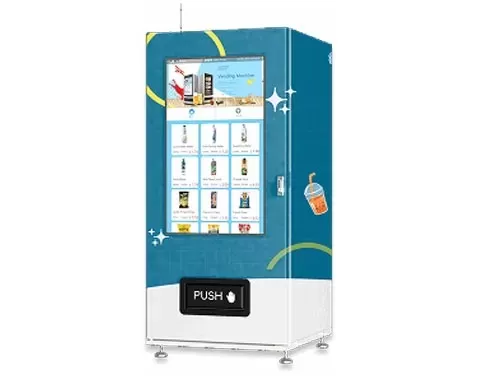
Cashless Payment Systems
The integration of contactless payment methods, such as NFC (Near Field Communication), mobile wallets (Apple Pay, Google Pay), and QR codes, has eliminated the need for physical cash. This shift not only enhances convenience but also aligns with the growing preference for digital transactins, particularly among younger, tech-savvy consumers.
AI-Powered Personalization
By leveraging AI algorithms, smart vending machines can analyze purchase history and user preferences to offer personalized recommendations. For instance, a machine in a gym might suggest protein bars to frequent users, while one in an office could promote healthy snacks during afternoon slumps. This level of customization fosters customer loyalty and increases sales.
Real-Time Inventory Management
IoT sensors enable machines to track inventory levels continuously, sending alerts to operators when stock is low or certain products are out of demand. This proactive approach minimizes downtime, reduces operational costs, and ensures that popular items are always available.
Remote Monitoring and Maintenance
Cloud-based platforms allow operators to monitor multiple machines from a centralized dashboard, adjusting pricing, updating product listings, or troubleshooting issues remotely. This capability streamlines operations and enhances scalability, making it easier to manage large fleets of vending machines across different locations.
Sustainability Initiatives
Many smart vending machines now incorporate eco-friendly features, such as energy-efficient LED lighting, solar panels, and refrigeration systems optimized for reduced power consumption. Some even offer incentives for recycling, like discounts on future purchases when users return packaging.
The versatility of smart vending machines has led to their adoption across various sectors:
· Retail: In malls and airports, smart vending machines sell electronics, cosmetics, and luxury goods, providing instant gratification without the need for staffed stores.
· Healthcare: Hospitals use these machines to dispense medications, medical supplies, and even hygiene products, improving accessibility and reducing wait times.
· Food and Beverage: Restaurants and cafes deploy smart vending machines for contactless ordering and pickup, enhancing safety during health crises like the COVID-19 pandemic.
· Corporate Environments: Offices utilize smart vending solutions to offer employees a wide range of snacks, beverages, and office supplies, boosting morale and productivity.
Despite their numerous advantages, smart vending machines face challenges such as initial setup costs, cybersecurity risks, and the need for reliable internet connectivity. However, as technology continues to evolve, these hurdles are gradually being overcome. For example, advancements in edge computing reduce dependency on cloud networks, while blockchain technology enhances transaction security.
Looking ahead, the future of smart vending machines is bright. Innovations like facial recognition for age verification (useful for selling age-restricted products), augmented reality (AR) interfaces for immersive shopping experiences, and even drone delivery integration for remote areas are on the horizon. Moreover, as sustainability becomes a global priority, we can expect further emphasis on biodegradable packaging and zero-waste operations.
Smart vending machines represent a paradigm shift in automated retail, blending convenience, technology, and sustainability into a cohesive solution that meets the demands of modern consumers. By embracing AI, IoT, and data-driven insights, these machines are not just dispensing products—they are creating engaging, efficient, and environmentally conscious shopping experiences. As they continue to evolve, smart vending machines will undoubtedly play a pivotal role in shaping the future of retail, offering a glimpse into a world where automation and personalization coexist harmoniously.