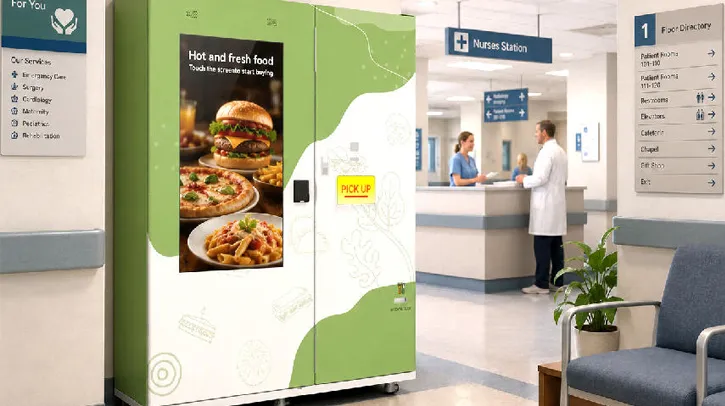
In an era where convenience and efficiency define consumer expectations, mini vending machines are emerging as game-changers in the retail landscape. These compact, tech-driven devices are not just redefining how businesses sell products—they're revolutionizing customer engagement, reducing operational costs, and opening doors to untapped markets. Whether you're a startup looking to test a new product, a retailer aiming to expand your footprint, or a brand seeking innovative ways to connect with audiences, mini vending machines offer a scalable, low-risk solution packed with potential. Let's explore why these pint-sized powerhouses are the next big thing in smart retail.
Traditional vending machines have long been staples in airports, malls, and office buildings, but their bulky size and limited product range often restrict flexibility. Enter mini vending machines—sleek, space-efficient alternatives designed to fit seamlessly into high-traffic areas where space is at a premium. From university campuses and subway stations to gyms and co-working spaces, these machines thrive in environments where traditional retail can't.
But size isn't their only advantage. Smart mini vending machines leverage cutting-edge technology to deliver personalized experiences. Equipped with AI-powered analytics, touchscreens, and mobile payment systems, they provide real-time data on consumer behavior, enabling businesses to optimize inventory, adjust pricing, and even tailor product recommendations. Imagine a mini vending machine in a fitness center that suggests protein bars based on a customer's workout history or a machine in a hotel lobby that offers localized snacks based on guest demographics. This level of customization provided by custom vending machine manufacturers drives engagement, boosts sales, and fosters loyalty.
Space-Saving Design
The compact footprint of mini vending machines allows them to occupy corners, walls, or countertops that larger machines can't. This makes them ideal for small businesses, pop-up shops, or brands testing new markets without committing to expensive leases.
Smart Technology Integration
Modern mini vending machines are built with IoT sensors, cloud connectivity, and machine learning algorithms. These features enable remote monitoring, automated restocking alerts, and dynamic pricing adjustments. For example, a mini vending machine selling beverages in a park could raise prices during peak summer hours or offer discounts during off-peak times to balance demand.
Versatile Product Dispensing
Don't let their size fool you—mini vending machines can handle a surprising variety of products. From electronics like earbuds and phone chargers to beauty samples, snacks, and even pharmaceuticals, these machines use innovative mechanisms (e.g., robotic arms, spring coils, or gravity-fed systems) to dispense items safely and efficiently.
Eco-Friendly Options
Sustainability is a growing priority for consumers, and mini vending machines can help brands meet this demand. Many models now feature energy-efficient components, solar panels, and biodegradable packaging options. Highlighting these features can attract eco-conscious customers and differentiate your brand in competitive markets.
24/7 Accessibility
Unlike traditional stores with fixed hours, mini vending machines operate around the clock, providing instant gratification to customers while generating passive income for businesses. This is particularly valuable in settings like hospitals, transit stations, or late-night convenience stores where demand exists outside regular business hours.
The adaptability of mini vending machines makes them suitable for virtually any industry. Here are a few sectors reaping the benefits:
Retail & E-Commerce: Brands use mini vending machines to sell limited-edition products, test new markets, or offer contactless pickup for online orders.
Healthcare: Hospitals and clinics deploy mini vending machines to dispense medications, hygiene products, or first-aid kits securely and efficiently.
Hospitality: Hotels place mini vending machines in lobbies or guest rooms to offer snacks, toiletries, or local souvenirs without the need for room service.
Food & Beverage: Cafes and restaurants use mini vending machines for self-service coffee, pre-packaged meals, or specialty ingredients, reducing labor costs and wait times.
Entertainment: Theaters, arcades, and event venues install mini vending machines to sell tickets, merchandise, or snacks, enhancing the visitor experience.
Lower Overhead Costs
With no need for staffing or storefronts, mini vending machines significantly reduce operational expenses. A single machine can generate revenue with minimal maintenance, making them ideal for businesses looking to scale efficiently.
Data-Driven Insights
The analytics capabilities of mini vending machines provide valuable insights into consumer preferences, peak usage times, and popular products. This data empowers businesses to make informed decisions about inventory management, marketing strategies, and new product launches.
Enhanced Customer Experience
By offering quick, convenient access to products, mini vending machines improve customer satisfaction and encourage repeat purchases. The ability to personalize interactions—such as recommending products based on past purchases—further strengthens brand loyalty.
Scalability
Whether you start with one machine or a network of 100, mini vending machines offer unmatched scalability. Businesses can test markets, adjust strategies, and expand gradually without the risks associated with traditional retail expansion.
A popular skincare company wanted to introduce its new line of travel-sized products to busy professionals. Instead of opening pop-up shops, they partnered with smart vending machine manufacturers to place sleek, interactive machines in office buildings and transit hubs. Each machine featured a touchscreen interface that allowed customers to sample products, watch tutorials, and purchase items via mobile pay. Within three months, the brand saw a 35% increase in sales of the travel line and gathered thousands of data points on customer preferences, which informed future product development. This case highlights how mini vending machines can serve as both sales channels and market research tools.
As technology evolves, so will mini vending machines. Here are a few trends shaping their future:
AI-Powered Personalization: Machines will increasingly use AI to analyze customer data and offer tailored recommendations, creating hyper-personalized shopping experiences.
Contactless & Cashless Payments: The rise of digital wallets and NFC technology will make transactions even faster and more secure, appealing to tech-savvy consumers.
Sustainability Innovations: Expect to see more mini vending machines made from recycled materials, powered by renewable energy, and designed to minimize waste.
Integration with E-Commerce: Brands will link mini vending machines to their online stores, allowing customers to pick up orders or return items seamlessly.
In a world where speed, convenience, and personalization are non-negotiable, mini vending machines offer a forward-thinking smart vending solutions for businesses of all sizes. By combining compact design, smart technology, and versatile functionality, these machines help you reach new customers, reduce costs, and stay ahead of the competition. Whether you’re looking to test a new product, expand your retail presence, or enhance customer engagement, mini vending machines are the smart, scalable choice.
Ready to transform your retail strategy? Explore our different types of vending machines tailored to your industry's unique needs. Contact us today to design a machine that delivers results!