According to Mordor Intelligence, the South East Asia Battery Swapping market is expected to reach USD 0.94 bn in 2026 and USD 3.85 bn by 2031, growing at a CAGR of 32.52%. Shifting dynamics are also evident in the region, as indicated by the IEA's Global EV Outlook. This shows that electric two-wheelers sold in Southeast Asia will rise from 235,000 in 2020 to 900,000 in 2025.
Battery swapping is an appropriate solution to this shift, as it addresses an extremely practical problem.The rider returns a low-battery bike and picks up a fully charged one. That minute exchange can be better than waiting several hours to charge during a busy delivery period.
This is why the Southeast Asian market for battery swapping cabinets is growing. People are used to riding motorcycles and scooters for everyday use, and delivery and logistics riders put in long hours on their bikes. However, it isn't just a hardware company. The challenging bit comes down to selecting the appropriate users, positioning the cabinets in suitable locations, addressing battery safety issues, and designing a payment plan that makes sense beyond the early stages.
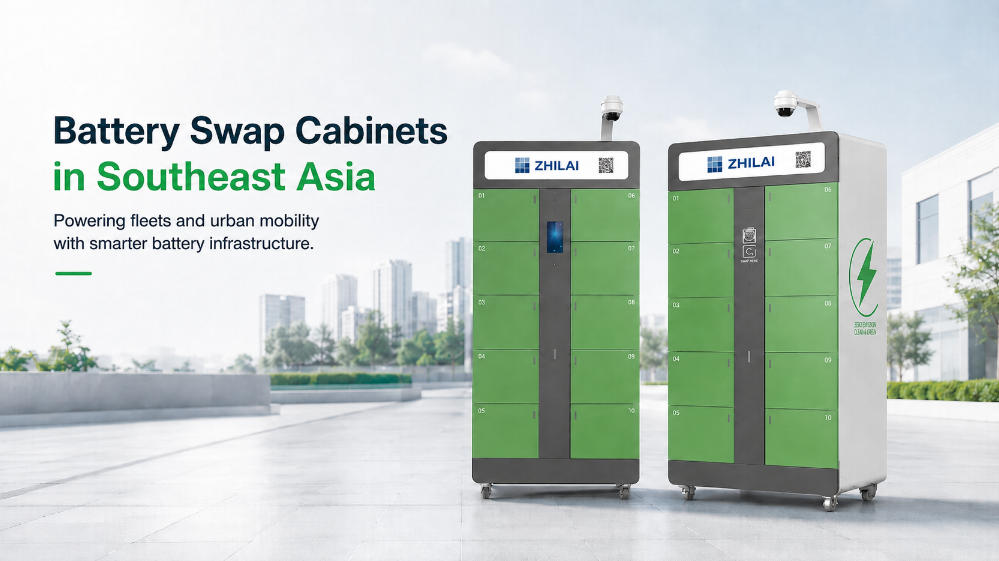
Figure 1. Battery Swap Cabinets for Southeast Asian Electric Mobility Market.
If you want to start a battery swap cabinet business in Southeast Asia, here are the top six factors to consider
High-frequency users, such as delivery riders or courier fleets
Batteries that fit local electric motorcycles
Smart cabinets with safe charging and monitoring
Sites close to daily rider routes
Pricing that encourages repeat usage
A small pilot before large-scale rollout
The first question should not be, "How many cabinets do we need?" It should be, "Who will swap batteries every day?"
Battery swapping works best for riders who use their bikes frequently and require maximum uptime. Private commuters that charge overnight might not need a swap network. Charging time, however, could cut delivery riders' orders if they are employed during peak hours.
Food delivery riders
Express and parcel couriers
E-commerce delivery fleets
Electric motorcycle rental users
Motorcycle taxi or ride-hailing riders
Riders inside campuses, factories, or industrial parks
For many operators, the strongest starting point is a fleet or semi-closed user group. A delivery station, rental fleet, or logistics company can provide daily demand before the service opens to the public.
There are a few reasons why battery swapping is viable in Southeast Asia. These include the presence of two-wheelers, high population density, and repetitive routes around significant areas. According to IEA data, the electric two-wheeler market in the region has steadily expanded, giving swap operators a solid base of potential customers.
The business case becomes stronger when riders face three problems:
They travel long distances every day
They lose money while waiting for charging
They lack safe private charging space
Therefore, a cabinet near a delivery hotspot is more useful than one in a quiet low-rent neighborhood. Convenience is the product. If the rider has to make a detour, the cabinet will not become part of the daily routine.
There is no perfect battery swapping model on paper. The right choice depends on who owns the batteries, how often riders swap, and whether you serve public users or contracted fleets.
Business model | Best for | What to watch |
Pay-per-swap | Public sites and early testing | Revenue can be unstable if daily usage is low |
Monthly subscription | Delivery riders with predictable mileage | Pricing must match real swap frequency |
Fleet contract | Delivery, rental, or logistics companies | Requires reliable service and clear reporting |
Battery-as-a-service | EV motorcycle dealers and rental operators | Needs strong battery tracking and asset control |
For a first project in Southeast Asia, fleet contracts and subscriptions are often easier to test because they create repeat usage.
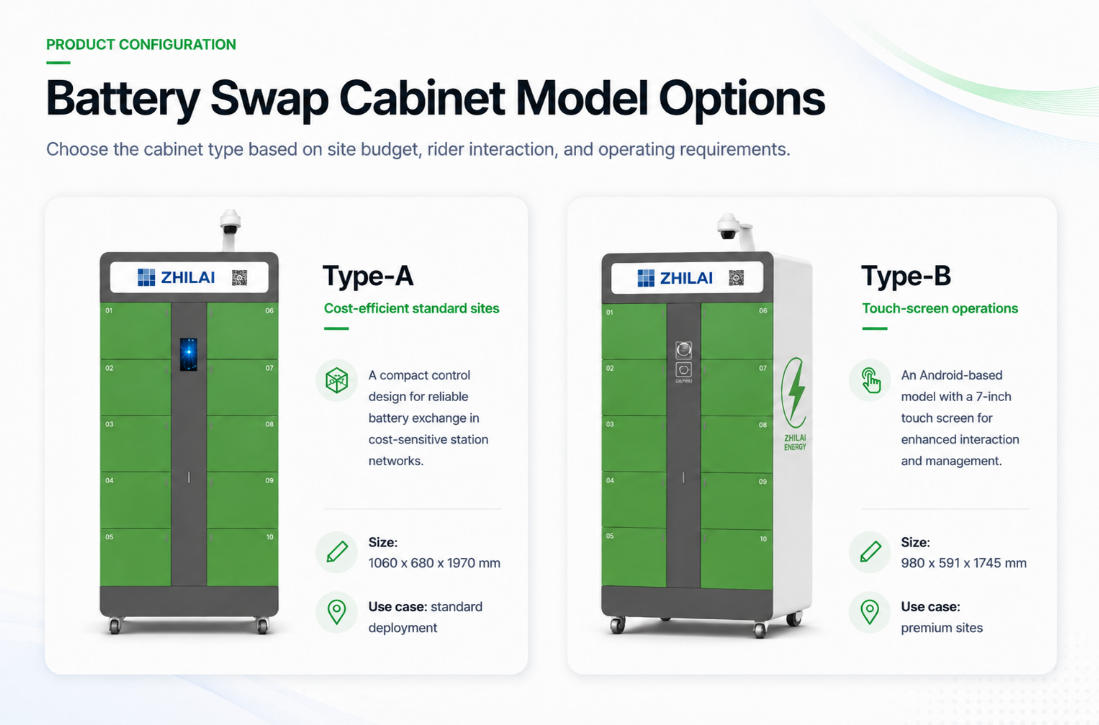
Figure 2. Battery Swap Cabinets Model Options.
A commercial battery-swap cabinet must charge safely, identify users, track batteries, send alarms, and remain reliable in heat, rain, humidity, and unstable network conditions.
What to check | Why it matters | ZHILAI support |
Battery compatibility | Operators may serve different vehicle models | Supports 36V, 48V, 60V, and 72V batteries |
Charging speed | Faster circulation improves cabinet utilization | 20A fast charging, above 95% charging efficiency |
Safety design | Lithium battery charging must be controlled | Water-based fire protection for battery compartments and aerosol fire suppression for the cabinet body |
Remote monitoring | Operators need to see cabinet, order, alarm, and battery status | Smart cloud operation and maintenance support |
Network backup | Some sites may have weak signal | Offline battery swapping support |
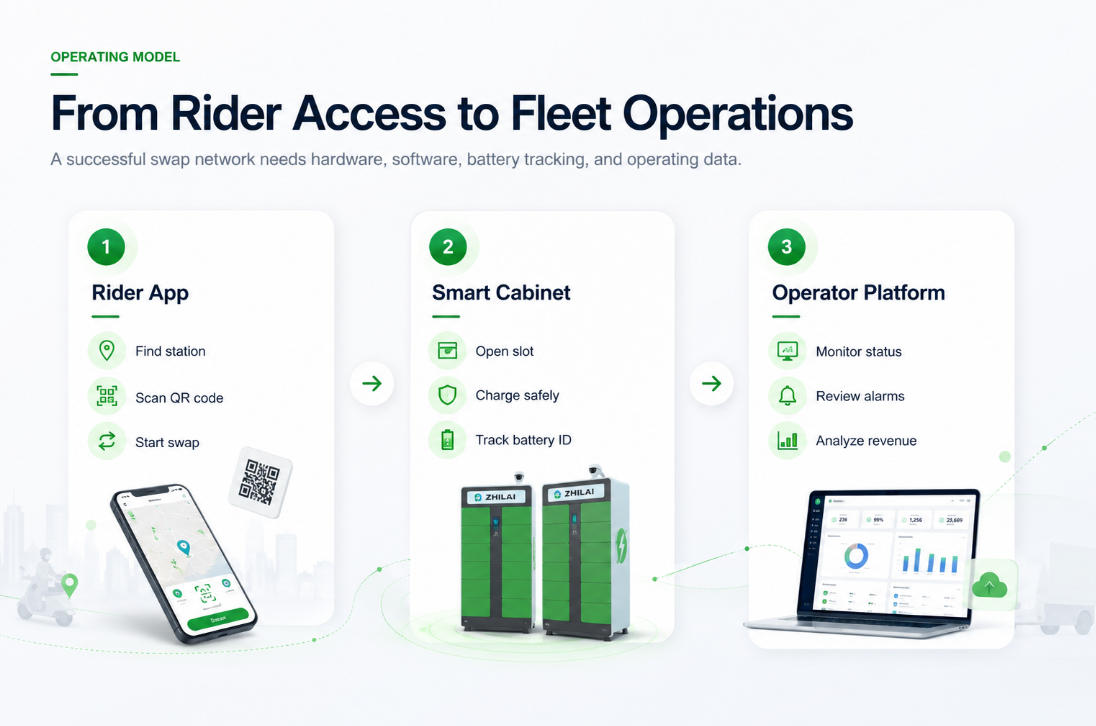
Figure 3. Battery Swap Operating Model from Rider Access to Fleet Management.
Smart battery swapping stations are designed for electric motorcycle and two-wheeler energy operations. They are compatible with up to 95% of mainstream battery types, helping operators serve a wider range of vehicle models with less adaptation work. Safety should be a core business requirement, not a feature mentioned at the end. Look for temperature monitoring, smoke detection, water filtration warnings, electrical protection, anti-theft detection, and remote alarms.
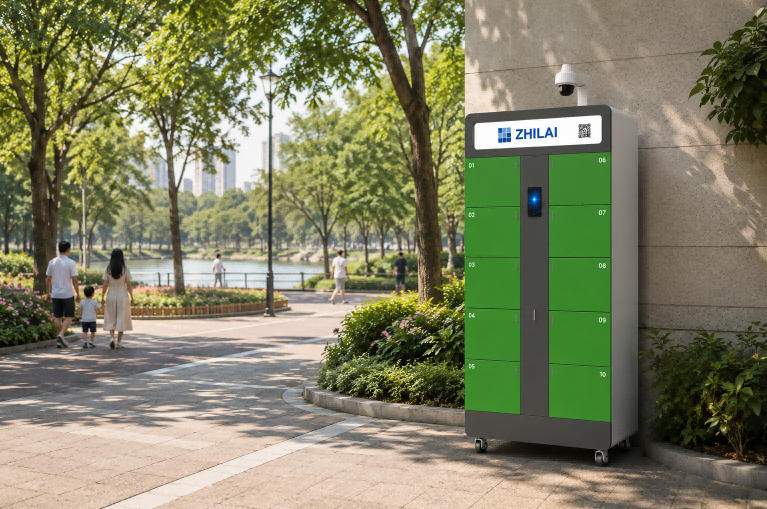
Figure 4. Battery Swap Cabinet Application in Urban Parks.
Site selection decides utilization. Place cabinets where riders already stop, wait, pick up orders, or pass by naturally.
Food delivery stations
Express service points
Logistics transfer stations
Residential community entrances
Commercial parking areas
Gas stations or convenience stores
Industrial parks and smart campuses
EV motorcycle dealers or rental shops
Is there enough rider traffic nearby?
Can riders park briefly and safely?
Is the power supply stable and legal?
Is the mobile network signal reliable?
Does the landlord allow this operation?
Can technicians access the cabinet for maintenance?
Are fire safety and emergency access requirements clear?
For a first project, 2 to 5 cabinets in one district is usually better than spreading cabinets across a whole city. A small dense network is easier to trust and manage.
A 90-day pilot is enough to learn whether the project has real demand.
Stage | Main work | What to measure |
Days 1-30 | Choose users, battery standard, pricing, and sites | Expected riders, site quality, battery fit |
Days 31-60 | Install cabinets and onboard riders | Daily swaps, peak hours, user feedback |
Days 61-90 | Adjust pricing, locations, batteries, and maintenance | Repeat usage, uptime, cost, revenue |
The objectives are to demonstrate four things:
Riders use the service repeatedly
Cabinets operate safely
Batteries circulate efficiently
The business model is financially workable
Avoid considering only the cabinet cost when calculating your total cost. Profit is influenced by batteries, installation, electricity, site rent, software, maintenance, spare parts and support, and battery depreciation. Utilization remains the most critical metric.
Southeast Asia is a strong market for battery swapping because the daily riding behavior is already there. The opportunity is to give riders a faster, safer, and more predictable way to keep working.
For operators, success comes from practical choices: start with a real user group, choose compatible and safe cabinets, place them around rider routes, monitor every battery, and expand only when pilot data supports it.
Learn more about ZHILAI battery swapping cabinet solutions, or contact our team to discuss your project requirements.
Yes, for high-frequency delivery riders. Battery swapping helps to minimize waiting time and improves the speed at which riders return to work. For some, traditional charging is still more appropriate for low-mileage drivers who can plug in at night.
High-volume rider traffic areas, such as delivery stations, express service points, communities, commercial parking areas, gas stations, convenience stores, or industrial parks, are the most convenient locations.
Yes. A small pilot (2-5 cabinets) can evaluate demand, pricing, site quality, battery circulation, and maintenance requirements before investing in a larger cabinet.