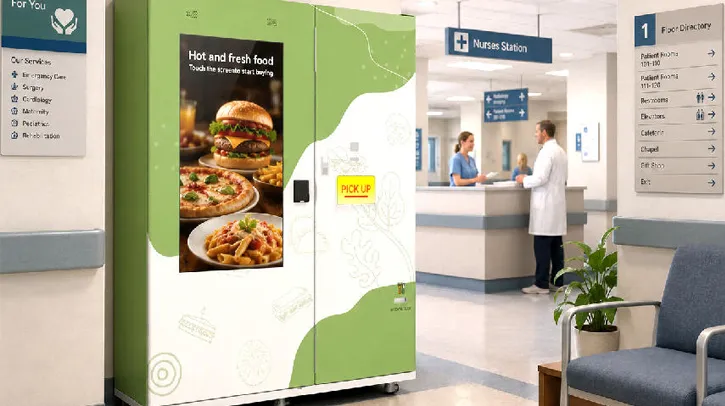
In recent years,the humble vending machine has undergone a remarkable transformation,evolving from a simple mechanical device dispensing snacks and drinks into a sophisticated,interactive retail solution powered by touchscreen technology.Touchscreen vending machines now dominate public spaces,offering convenience,customization,and a glimpse into the future of automated retail.This article explores their technological advancements,benefits,challenges,and broader implications for consumers and businesses alike.
Traditional vending machines relied on buttons,dials,and coin slots,limiting their functionality to pre-programmed selections.The introduction of touchscreens revolutionized this model by enabling intuitive user interfaces,vibrant displays,and dynamic content.Early adopters,such as Japan’s cutting-edge"automated retail"sector,pioneered touchscreen-equipped machines in the 2000s,allowing users to browse menus,view nutritional information,and even watch advertisements.Today,touchscreens are standard in modern vending machines,integrating features like gesture controls,multilingual support,and real-time inventory tracking.
Touchscreen vending machines prioritize user engagement through sleek designs and interactive features.Customers can scroll through product categories,zoom in on images,and access detailed descriptions—a stark contrast to the guesswork of traditional machines.For example,a coffee vending machine might let users customize their drink’s strength,temperature,and sweetness,replicating the barista experience.Additionally,touchscreens support cashless payments via mobile wallets,credit cards,or QR codes,catering to a cashless society and reducing transaction friction.
For operators,touchscreen machines offer unparalleled control and data insights.Cloud-based management systems allow remote monitoring of sales,inventory levels,and machine health,enabling proactive restocking and maintenance.Machine learning algorithms analyze purchasing patterns to optimize product placement and pricing strategies.For instance,a touchscreen snack machine in a gym might promote protein bars during peak workout hours based on historical data.Furthermore,digital screens serve as advertising platforms,generating additional revenue through sponsored content or promotions.
Touchscreen vending machines are driving sustainability initiatives.Many now feature energy-efficient LED screens,solar-powered components,and eco-friendly packaging options.Some machines even incentivize recycling by offering discounts when users return containers.Innovations like"smart refrigeration"reduce energy consumption by adjusting cooling based on usage patterns.Additionally,touchscreens facilitate the sale of niche or perishable goods,such as fresh salads or artisanal products,that were previously impractical for traditional vending.
Despite their advantages,touchscreen vending machines face challenges.Vandalism and wear-and-tear on screens require durable materials,increasing upfront costs.Technical glitches or software bugs can disrupt service,frustrating users and damaging brand reputation.Moreover,the digital divide poses accessibility issues;elderly or tech-averse customers may struggle with touch interfaces.Operators must balance innovation with inclusivity by offering alternative payment methods and clear instructions.
The trajectory of touchscreen vending machines points toward a future where automation blurs with personalized service.Advances in AI could enable voice-activated orders or facial recognition for loyal customers,offering tailored recommendations.Integration with IoT devices might allow machines to restock themselves or alert suppliers about low inventory.In urban areas,"micro-markets"combining touchscreen kiosks with open shelves could redefine convenience stores,offering thousands of products in compact spaces.
Touchscreen vending machines reflect broader trends in retail and labor.As automation reduces the need for human staff,debates arise about job displacement versus the creation of tech-centric roles in maintenance and data analysis.Conversely,these machines democratize access to goods in underserved areas,such as rural communities or disaster zones,where traditional stores are scarce.They also align with consumer preferences for instant gratification,catering to on-the-go lifestyles in cities like Tokyo or New York.
Touchscreen vending machines exemplify how technology can reimagine everyday interactions.By merging convenience,customization,and sustainability,they have transcended their role as mere dispensers to become intelligent retail hubs.While challenges like cost and accessibility persist,ongoing innovations promise to address these hurdles,solidifying their place in the future of commerce.As society continues to embrace automation,the touchscreen vending machine stands as a testament to human ingenuity—proving that even the simplest transactions can be transformed by a touch of innovation.