Tobacco vending machines, once ubiquitous symbols of convenience in public spaces, have undergone a remarkable transformation over the past century. From rudimentary coin-operated devices to AI-powered smart systems, these machines reflect broader technological, cultural, and regulatory shifts. This article explores their historical development, current market dynamics, and the challenges they face in an era of heightened health awareness and digitalization.
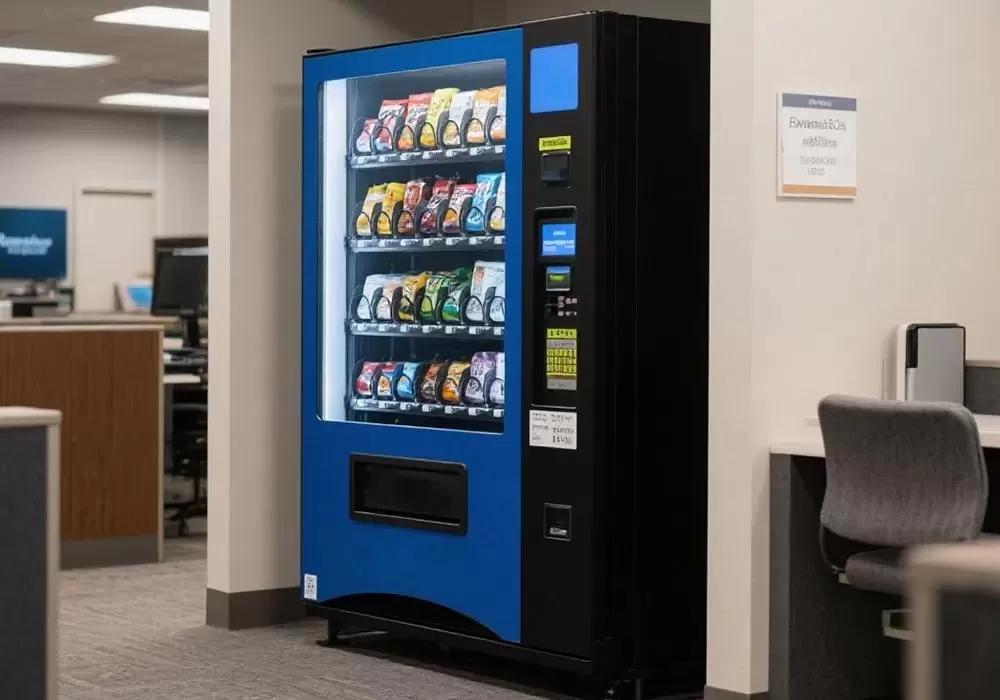
The earliest tobacco vending machines emerged in the late 19th century, leveraging simple mechanical designs. Early models relied on springs, gears, and levers to dispense cigarette packs after coin insertion. For instance, vintage machines in the U.S. featured calibrated coin slots to ensure smooth transactions, while their compact size allowed placement in bars, train stations, and cafes. By the mid-20th century, these machines evolved to hold multiple product varieties, catering to growing demand in urban centers. Their design prioritized durability and ease of restocking, with features like smooth edges and modular compartments to minimize operator risks.
The 1980s and 1990s saw incremental innovations, such as electronic payment systems and digital displays. However, true disruption came with the integration of AI and IoT technologies in the 21st century. Modern machines now use sensors to track inventory in real time, while touchscreens and cashless payments (e.g., credit cards, mobile wallets) streamline user interactions. Cloudpick's unmanned stores, for example, eliminate cashiers entirely, allowing customers to pick items and exit automatically, with payments processed via facial recognition or QR codes.
The global tobacco vending machine market remains fragmented, with distinct regional trends. North America maintains a stable network of operators, driven by moderate demand for traditional and alternative tobacco products. Cashless payments dominate here, with over 60% of machines equipped with digital systems. In contrast, the Asia-Pacific region is experiencing explosive growth, fueled by Japan, South Korea, and China's vending-friendly cultures. Japan, home to over 5 million vending machines, leads in innovation, offering machines that dispense heated tobacco products and even customizable blends.
Europe presents a paradox: it accounts for 30% of the global market but faces stringent regulations. Countries like Italy and Spain mandate age-verification systems and contactless payments to curb underage access. These pressures have spurred technological advancements, such as biometric scanners and AI-driven ID checks. Meanwhile, emerging markets in Southeast Asia and Latin America are adopting hybrid models that combine traditional vending with e-commerce integrations, enabling pre-orders and loyalty programs.
Modern manufacturers prioritize eco-friendly designs to align with global sustainability goals. Azkoyen's Step model, for instance, reduces energy consumption by 75% compared to legacy machines, using LED lighting and low-power processors. Its modular compartments optimize space, allowing operators to stock up to 400 packs in a compact footprint. Recyclable materials and compliance with European WEEE and RoHS directives further minimize environmental impact. These features not only reduce operational costs but also appeal to eco-conscious consumers and venue owners.
The rise of tobacco vending machines has long been controversial due to public health concerns. Critics argue that their accessibility normalizes smoking, particularly among youth. Australia, for example, banned tobacco vending in 2010 under the Framework Convention on Tobacco Control, citing evidence that restrictions do not harm vendors financially. Similarly, the EU’s Tobacco Products Directive mandates plain packaging and health warnings on vending machines, while some U.S. states require them to be placed in adult-only areas.
The advent of e-cigarettes has added complexity. Vape vending machines, which dispense flavored pods and devices, are proliferating in regions with laxer regulations. However, studies link e-cigarettes to lung disorders and nicotine addiction, prompting calls for stricter controls. For instance, the U.K. now requires vape vending machines to be located in age-restricted venues and display health warnings.
The tobacco vending machine industry is poised for further disruption. AI-driven systems are enabling hyper-personalization, such as recommending products based on purchase history or time of day. Some machines in South Korea even use gamification, offering discounts for frequent users. Meanwhile, blockchain technology is being explored to enhance supply chain transparency, ensuring products are ethically sourced and tax-compliant.
However, the industry's future hinges on balancing innovation with responsibility. As health awareness grows, operators must adapt by offering non-tobacco alternatives (e.g., nicotine patches, CBD products) or partnering with smoking cessation programs. Regulatory pressures will also intensify, demanding stricter age verification and sustainability practices.
Tobacco vending machines have evolved from mechanical novelties to sophisticated digital platforms, reflecting broader societal shifts. While technological advancements and regional demand sustain their relevance, public health concerns and regulatory scrutiny pose significant challenges. The industry's ability to innovate responsibly—by embracing sustainability, diversifying product offerings, and enhancing safety measures—will determine its longevity in a rapidly changing world. As the line between convenience and accountability blurs, these machines may ultimately serve as a litmus test for how industries balance profit with social responsibility.