China's vending machine industry has undergone a truly remarkable transformation, evolving from a niche novelty that was rarely seen to an integral and indispensable part of the nation’s smart retail ecosystem. This evolution has not only changed the landscape of retail in China but also set a global benchmark for how vending machines can be integrated into modern urban and rural life, showcasing the country's innovative spirit in the retail sector.
China's vending machines emerged in the 1990s, when foreign-branded beverage vending machines made their appearance at airports and railway stations. These early machines were bulky, only accepted cash, and had very few product options. Additionally, their installation, maintenance, and operation costs were high (including regular cash collection and mechanical repair fees). As a result, they remained rare for a long time, limited to a few high-foot-traffic public areas. This not only restricted market coverage and growth but also left consumers with few opportunities to access and get used to such devices.
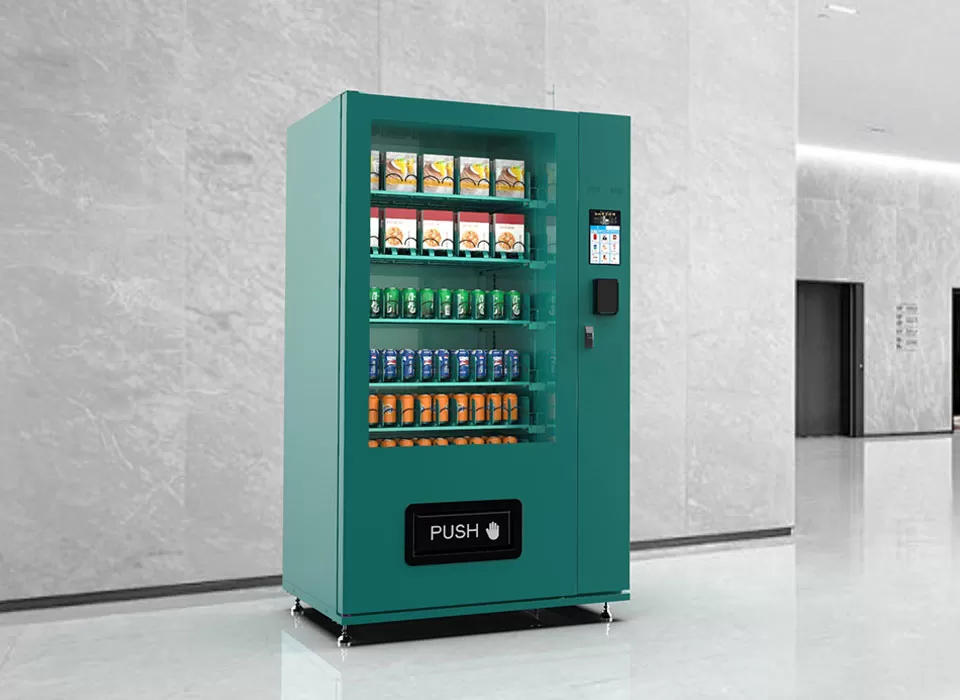
The turning point came in the 2010s. The widespread adoption of mobile payment solutions like WeChat Pay and Alipay revolutionized the industry. These convenient payment methods removed a key barrier to consumer access, making it extremely easy for people to make purchases from vending machines with just a few taps on their smartphones. As a result, vending machines began to pop up everywhere, from office buildings and university campuses to residential communities and factories. Their product offerings also expanded dramatically. No longer limited to just snacks and drinks, they now include fresh produce, cosmetics, ready - to - eat meals, and even face masks, catering to a wide variety of consumer needs. For instance, during the peak of the COVID - 19 pandemic, vending machines selling face masks provided a quick and contactless way for people to obtain essential protective gear.
Technological innovation has been the core driving force behind this growth. The Internet of Things (IoT) technology enables real - time monitoring of inventory levels, temperature control, and machine status. This not only streamlines the maintenance and restocking processes for operators but also helps reduce operational costs by an average of 20%. For example, operators can remotely monitor the inventory of multiple machines and schedule restocking only when necessary, avoiding unnecessary trips and labor costs. Big data analytics plays a crucial role as well. By analyzing consumer purchasing patterns, it tailors product selections to local preferences. For example, in white - collar districts, vending machines may offer more coffee and light meals to meet the needs of busy professionals, while in schools, stationery and snacks are more common, creating a "one machine one scenario" model. Additionally, AI - powered features such as facial recognition payment and voice interaction have further enhanced the user experience, making transactions faster, more intuitive, and more secure. Facial recognition payment, for example, allows users to complete a purchase in seconds without the need to carry cash or even a mobile phone in some cases.
National policies promoting smart cities and new retail have provided strong support for the development of the vending machine sector. These policies encourage the integration of technology into retail to improve efficiency and convenience. Moreover, the post - pandemic demand for contactless services has given the industry an extra boost. People are more inclined to use vending machines to avoid human contact, which has led to an increase in their usage. This trend is likely to continue as consumers become more health - conscious and prefer low - contact shopping options.
In addition to urban areas, China's vending machine industry is also making significant inroads into rural markets. Setting up machines near village convenience stores and farmers' markets brings convenience to rural consumers who previously had limited access to a variety of products. It also helps bridge the urban - rural retail gap by providing rural areas with similar shopping experiences to those in cities. At the same time, the industry is embracing emerging trends like pre - made dishes. With the fast - paced lifestyle of urban dwellers, pre - made dishes offer a convenient and time - saving solution for meals. Vending machines selling pre - made dishes are becoming increasingly popular in office areas and residential complexes, meeting the needs of consumers who want to enjoy a hot meal without the hassle of cooking.
As the industry continues to adapt to consumers' growing preference for healthy and customized products, it will further redefine the concept of convenience. For example, some vending machines now offer organic snacks and low - sugar drinks to cater to health - conscious consumers. Customization is also becoming more common, with machines allowing users to select ingredients and create their own personalized meals or beverages. This reflects the immense dynamism of China's consumer market and the ability of the vending machine industry to stay ahead of the curve in meeting evolving consumer demands.