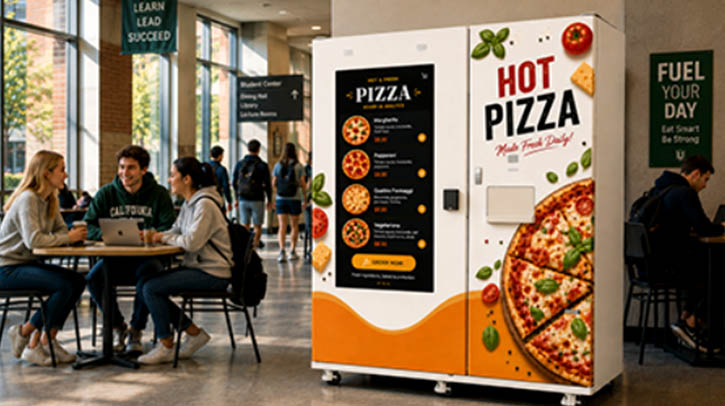
Peak meal hours can be very hectic and confusing when picking up food. Takeout bags are collected, delivery drivers arrive at the same time, office personnel check takeout orders and dining crews want flow without manual handoffs.
Quick answer: A food locker is a secure, safe food locker system consisting of compartments for storing meals, take-out orders, groceries, and any other food products, which will be collected by the appropriate person, employee, resident, or food courier by scanning a QR code, entering a PIN, or being informed via an app. |
A smart food locker can facilitate food pick-up faster, more orderly and with less contact for restaurants, offices, campuses, hospitals, apartments and delivery operators.
Food lockers are not just boxes with doors. It is a controlled pickup point that focuses on food service workflows. The staff places the order in a given compartment, and the system associates the order with that compartment. The customer or courier will receive a certificate for pickup.
This pickup model is becoming more critical as off-premises dining grows. According to the National Restaurant Association's 2025 Off-Premises Restaurant Trends report, takeout, delivery and drive-thru have become essential restaurant channels, with convenience, speed and technology playing a key role in customer decisions. When the user arrives, they open only the compartment assigned to their order and retrieve the food. Using this method reduces confusion at counters, limits unnecessary staff interruptions, and keeps orders separate.
The food locker can be ambient, heated, refrigerated, frozen, insulated, single-sided or double-sided, depending on the project. Food lockers with insulation can protect food products in short-term situations, without the need for active heating or refrigeration. Depending on the food type, holding time, volume of pickups, access method, and installation layout, the right configuration is different.
A smart food locker streamlines order handover as a repeatable digital process:
1. A customer orders a meal from a restaurant, delivery service, campus food service, company meal program, kiosk or app.
2. Staff prepare the food and put it into an available compartment.
3. The system generates the compartment and provides a QR code, PIN, SMS, application message or pick up notification.
4. Customer, employee, student, resident or courier confirms the code and unlocks the assigned door.
5. When the software supports it, operators can remotely monitor the status of compartments, pickups, device operations and alerts.
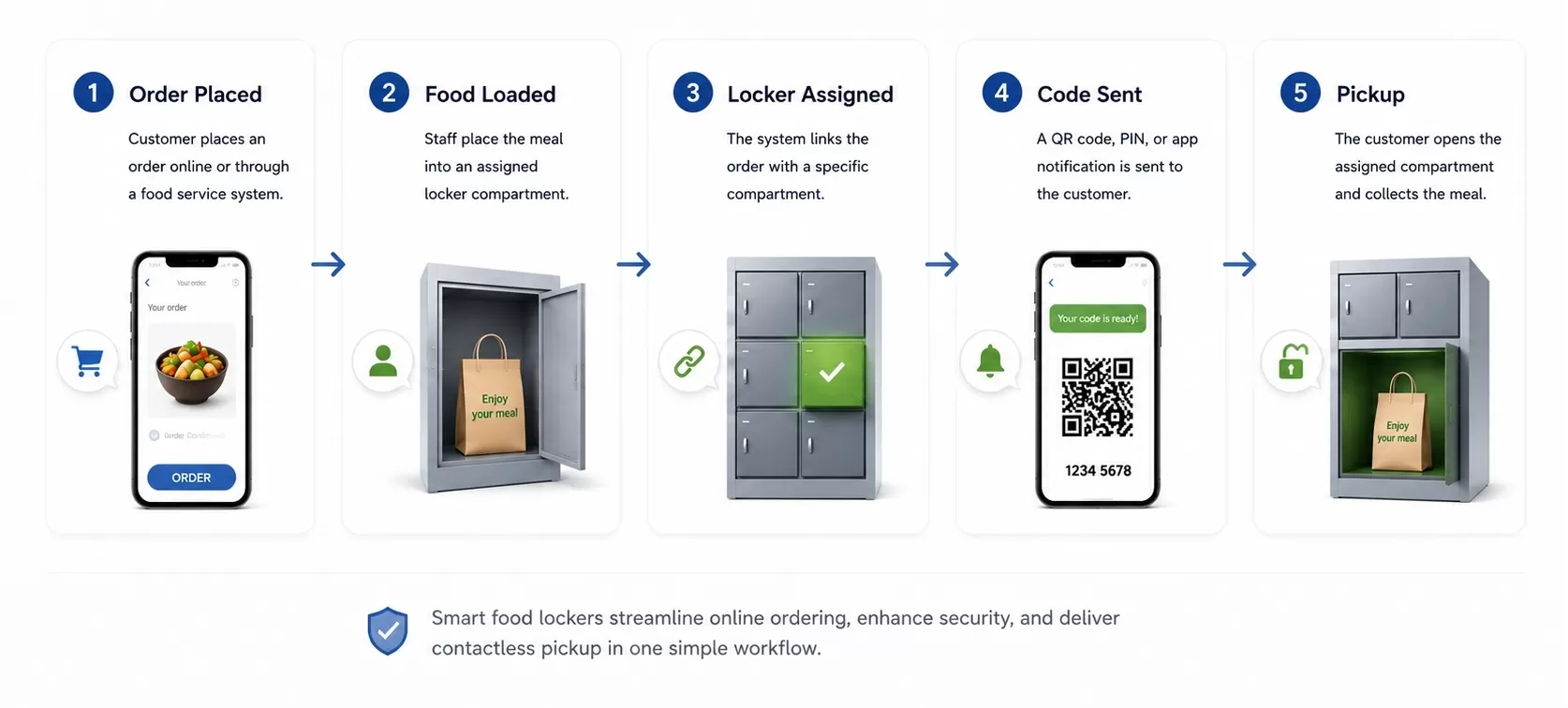
Figure 1. How a smart food locker works from order placement to pickup.
Different food-service models need different locker designs. Start with the food category and the expected holding time, then choose compartment, access, and temperature configurations.
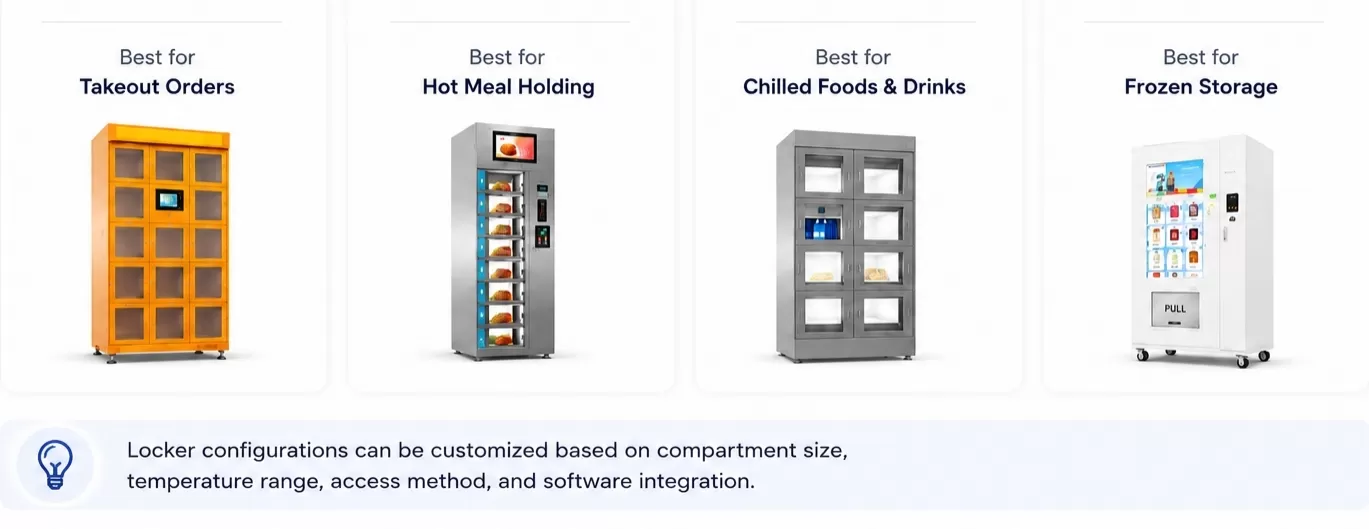
Figure 2. Types of food lockers including ambient, heated, refrigerated, and frozen models.
Food lockers that are not heated or cooled are used for short-term pickup and are known as ambient food lockers. They can be used for packaged meals, dry goods and orders picked up shortly after preparation.
Heated food lockers keep food warm before pickup. They can be used at take-out counters, office dining areas, canteens, and delivery pickup points, where hot food may be waiting for customers or couriers.
Refrigerated food lockers store refrigerated items, such as chilled food, drinks, and groceries. Commonly found in supermarkets, convenience stores, offices, hospitals and campuses.
Frozen food lockers are designed to keep frozen foods, ice cream and other items that need low temperatures. They are ideal for situations where frozen food must be picked up without employee assistance.
Double-sided food lockers enable employees to put food on one side and customers to get it on the other. This type of configuration can help separate back-house operations from customer access in restaurants, canteens, and controlled pickup areas.
Food lockers and food vending machines are similar, but they are meant to address different problems. The primary purpose of a food locker is a secure location to pick up orders that are prepared or purchased from another location. Food vending machine is a self-service retailing machine in which customer chooses, pays for and collects the product.
Feature | Food Locker | Food Vending Machine |
Primary purpose | Order pickup and handover | Product sales |
Payment | Usually handled before pickup | Built into the machine or interface |
Typical users | Restaurants, offices, campuses, hospitals, apartments | Retail operators, campuses, transport hubs, workplaces |
Access method | QR code, PIN, app, SMS, or staff assignment | Payment plus product selection |
Best fit | Prepared orders and managed pickup workflows | 24-hour self-service meal or snack retail |
Hot Food Vending Machines are geared towards self-service food vending, whereas food lockers are intended for secure order pickup. Food lockers are facilities where orders are placed for already prepared or purchased items. The customer only has to identify himself and pick up the food. A hot food vending machine gives customers the freedom to browse the contents, pay for the food, and get it hot from the machine. This is without staff assistance.
For operators looking to provide 24/7 hot meal access in offices, campuses, hospitals, transportation hubs, and public spaces, a hot food vending machine can be an effective complement to food locker systems.
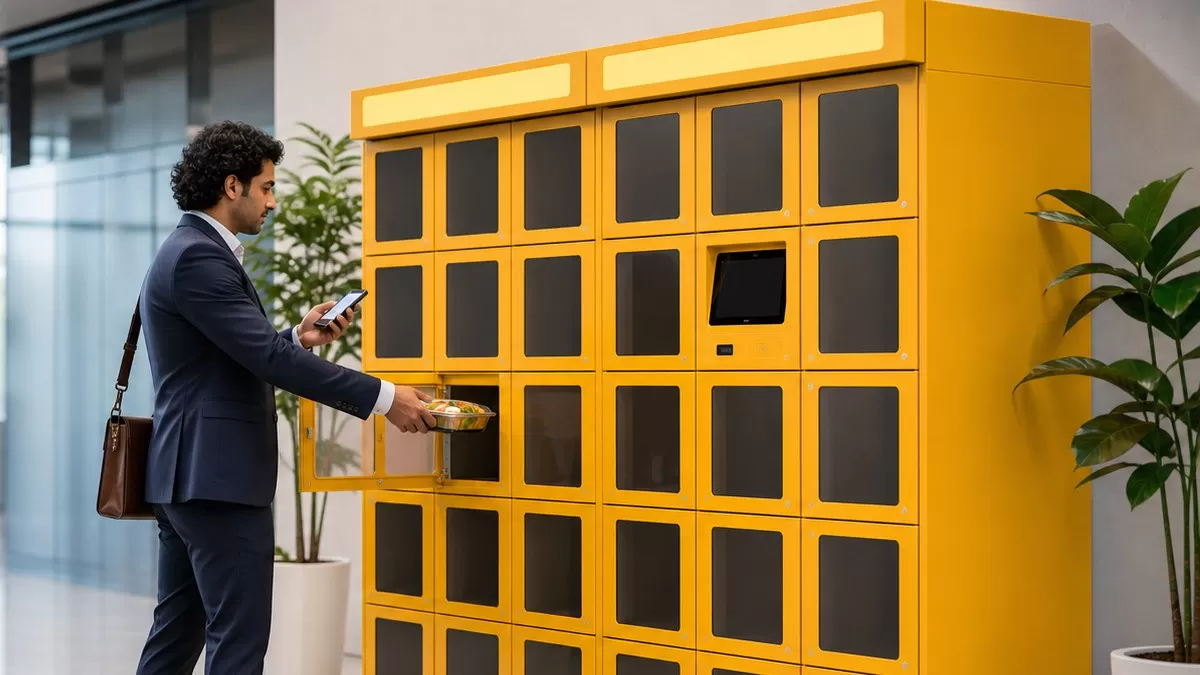
Figure 3. ZHILAI smart food locker in an office meal pickup scenario.
Food pickup lockers help alleviate counter congestion for restaurants, isolate completed orders and improve pickup for online ordering during busy lunch and dinner hours. Food pickup lockers will allow restaurants to distinguish between fulfilled orders and ongoing kitchen activity. Lockers will take the strain off counters during busy lunch and dinner hours. They help maintain order and accuracy in orders, and make it easier for customers and delivery drivers to pick up their orders.
Smart food lockers are used in office buildings for employee meal programs, catering pickup, and central lunch collection. This is without employees handling all handoffs.
Food lockers complement dining halls, mobile ordering, dormitory pickup, and student meal programs in high-traffic areas.
Hospitals use food lockers for staff meals, visitor orders, or to control pickup and delivery areas. This is where speed, organisation, and reduced face-to-face handovers are critical.
Food delivery lockers enable apartment communities to order food, keep the lobby less cluttered, and give residents a safer place to pick up their food and groceries.
When many riders enter the delivery window, delivery hubs rely on lockers to organise the workflow for riders picking up orders. They also provide separate access for couriers, and for staging orders.
Food lockers do more than provide a secure location to pick up food. For restaurants, offices, campuses, hospitals, and delivery operators, they help streamline food distribution, improve operational efficiency, and enhance the pickup experience for end users.
One of the biggest advantages of a food locker is faster order collection. Instead of waiting at a service counter or searching for an order, customers scan a QR code, enter a PIN, or use a mobile app. This allows them to access their assigned compartments.
Food pickup lockers assign each order to a dedicated compartment, preventing misplaced orders and pickup mistakes. This is especially valuable during busy lunch hours, food delivery peaks, or large employee meal programs.
Smart food lockers support contactless pickup through QR codes, PINs, mobile apps, and other digital credentials. Only authorised users can access the assigned compartment, improving pickup security while reducing unnecessary face-to-face interactions.
Different food products require different storage conditions. Food lockers can be configured as ambient, heated, refrigerated, frozen, or insulated systems to support a wide range of food-service applications.
Traditional order handover often requires staff to answer pickup questions, locate orders, and manage customer queues. Food lockers automate much of this process, allowing employees to focus on food preparation, customer service, and daily operations.
Food lockers can be deployed in a variety of environments, including restaurants, office buildings, universities, hospitals, apartment communities, supermarkets, and delivery hubs.
Food locker pricing depends on several factors, including temperature control requirements, the number of compartments, compartment size, software features, access methods, the deployment environment, and customisation needs. Ambient lockers are generally simpler, but heated, refrigerated, and frozen systems require additional temperature-control technologies. Businesses should evaluate both initial investment and long-term operational requirements when selecting a solution.
The operating scenario should be considered when selecting the right food locker. A takeout counter, grocery pickup point, hospital dining area, and 24-hour hot meal station may all need compartments, but their requirements are different.
Question | Why it matters |
What temperature range is required? | Determine whether you need ambient, heated, refrigerated, frozen, or insulated compartments. |
How many orders per hour? | Determines total capacity, compartment count, and peak-period workflow. |
What package sizes are common? | Determine compartment dimensions and layout. |
Indoor, semi-outdoor, or outdoor installation? | Impacts on enclosure design, materials, ventilation, and maintenance access. |
QR code, PIN, app, or platform integration? | Impacts on the user experience and software requirements. |
Do you need remote monitoring? | Determine whether device status, alerts, inventory, and multi-site management should be included. |
If your business needs a smart food locker, food pickup locker, refrigerated food locker, heated food locker, insulated food locker, or food delivery locker solution, ZHILAI can help plan a configuration that fits your product type, scenario, capacity, access method, and operating model.
OEM and ODM support for project-specific requirements.
Custom compartment layouts for different package sizes and pickup volumes.
Temperature-controlled solutions for ambient, heated, refrigerated, frozen, and insulated needs.
Remote management platform support for device monitoring, status alerts, and operational data.
Technical support for configuration, deployment, and after-sales service.
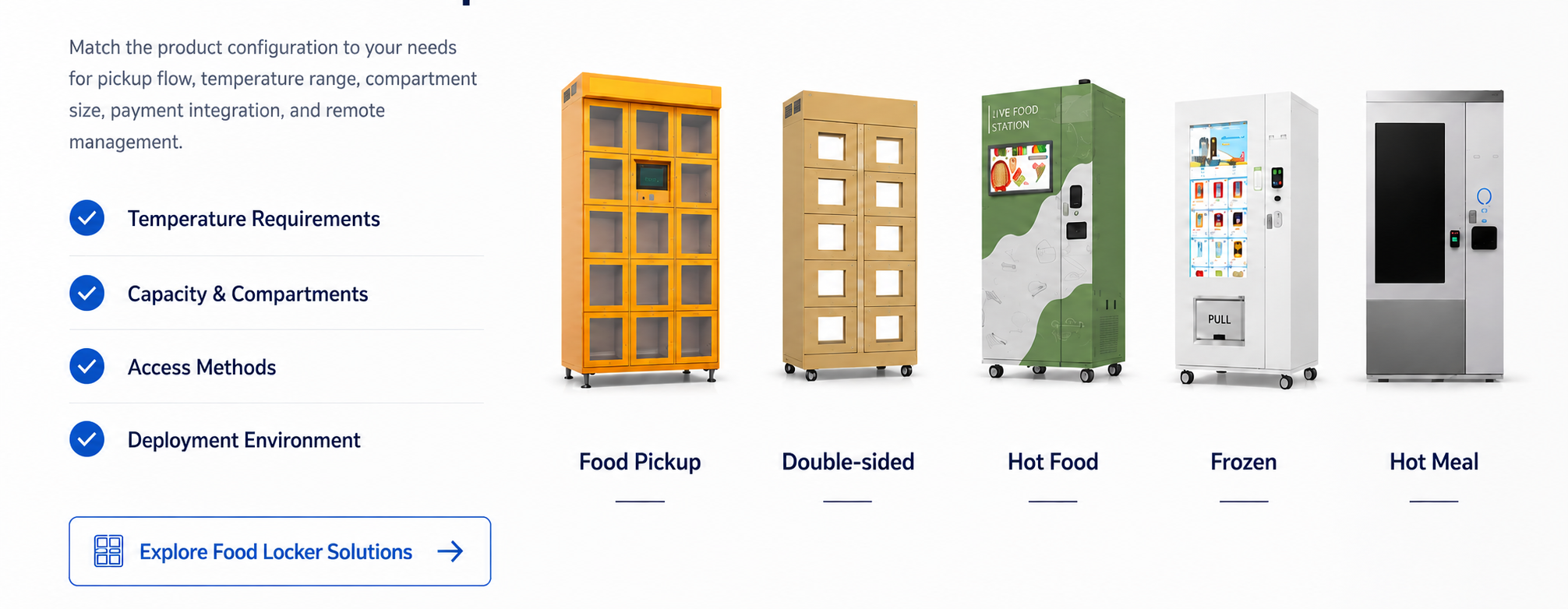
Figure 4. ZHILAI food locker and food vending machine solution lineup.
If your business needs a smart food locker, food pickup locker, refrigerated food locker, heated food locker, insulated food locker, or food delivery locker solution, ZHILAI can help plan a configuration that fits your product type, scenario, capacity, access method, and operating model.
A food locker is a secure, compartment-based system that stores prepared meals, takeout orders, groceries, and other food items until the intended user picks them up.
Staff place an order in an assigned compartment. The system sends the user a QR code, PIN, app message, or other credential so only the correct door opens.
Yes. Heated food lockers can keep warm meals warm until pickup. Operators should match the heating method and holding time to their food-safety process.
Yes. Refrigerated food lockers hold chilled meals, drinks, groceries, and other temperature-sensitive products. Frozen lockers support low-temperature products.
A food locker is for secure order pickup. Smart food vending machines sell products directly through payment and dispensing workflow.
Yes. Food lockers can be customized based on compartment size, locker quantity, temperature requirements, access methods, branding, software integration, and installation environments. Many operators choose customized configurations to match their specific workflows, food types, and operational requirements.
Yes. Food lockers can be designed for outside or semi-outdoor environments. Outdoor installations may require weather-resistant materials, enhanced insulation, ventilation systems, and additional environmental protection features depending on local climate conditions and project requirements.
Food pickup should be fast, organized, and reliable. Explore ZHILAI smart locker solutions or contact the ZHILAI team to discuss a customized food locker solution for your project.