Many hospitals, factories, universities, offices and transportation hubs struggle to provide meals outside regular cafeteria hours. Staffing a food counter overnight is not always practical, but employees, students and travelers may still need access to prepared meals when other options are closed.
A hot food vending machine can help fill this gap. Meals are stored under refrigeration until an order is placed and then heated before pickup. Although the concept is straightforward, making it work in daily operations involves more than selecting a machine and finding space for it.
Before comparing different machines, it is important to understand when meals are needed and who will use the service.
In a hospital, demand may come from employees finishing late shifts. A factory might experience a rush during short, scheduled breaks, while a university could see steadier but lower demand throughout the evening. These patterns influence the required capacity, menu selection and replenishment schedule.
Visitor numbers alone do not always show where meals are likely to sell. A busy entrance may generate few orders if a cafeteria is nearby. A quieter location could perform better because it serves people with limited alternatives. Shift times, class schedules and the opening hours of nearby food outlets often provide more useful information than overall foot traffic.
These machines generally use meals prepared and packaged in advance by an operator, central kitchen or food-service provider. Pasta, rice dishes, pizza, burgers, sandwiches and baked goods may all be suitable, but they do not heat in the same way.
A dense rice meal may require a different heating program from a sandwich or pastry. Portion size, moisture content and food density can also affect the result. Heating times should therefore be tested using the actual meals the operator plans to sell.
Packaging deserves the same attention. A container may be labeled microwave-safe but still bend, trap too much steam or become difficult to handle after heating. It must also remain stable during refrigerated storage and while moving through the machine. Testing a representative menu early can prevent expensive changes after installation.
The stated capacity of a machine is usually based on a particular container size. If an operator uses several meal formats, the number of products that can be loaded may change.
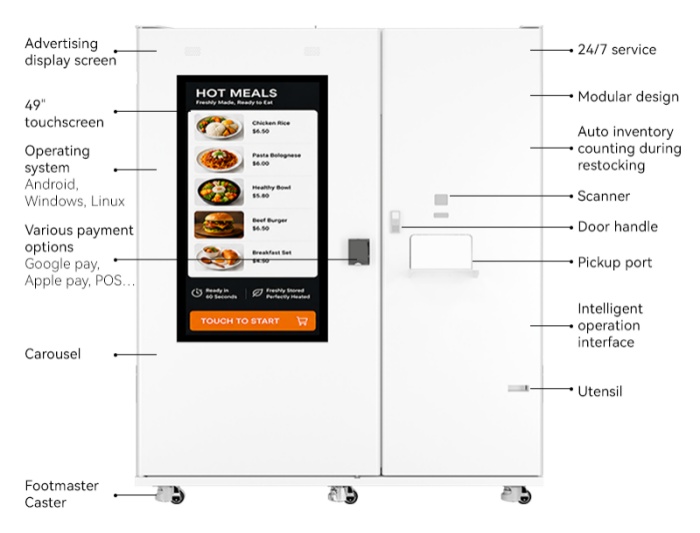
For example, ZHILAI’s Hot Food Vending Machine uses a carousel system that can accommodate up to 88 meals, depending on container dimensions. Larger trays may reduce the usable capacity, while smaller and more consistent packages may make better use of the available space.
Menu balance is equally important. A machine can be well stocked overall but still run out of its most popular meal before the lunch period ends. Early sales data can help operators decide how many positions to allocate to each product instead of dividing the available space evenly.
Every meal must be prepared, transported, loaded and removed if it reaches the end of its approved storage period. Responsibility for each of these tasks should be clear before the service begins.
A practical replenishment plan covers delivery frequency, refrigerated transportation, batch records and expiration checks. It should also account for weekends, public holidays and periods when regular staffing arrangements change.
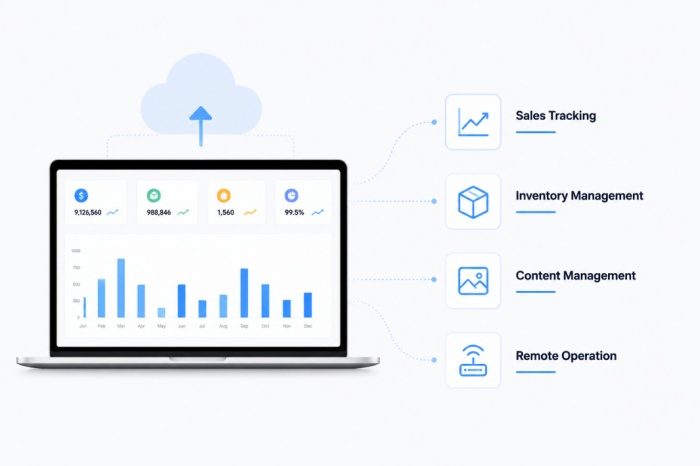
Remote inventory and equipment monitoring can help reduce unnecessary site visits, particularly when machines are installed in different buildings. Low-stock alerts show where replenishment is needed, while temperature and fault notifications allow staff to respond before a minor issue disrupts service.
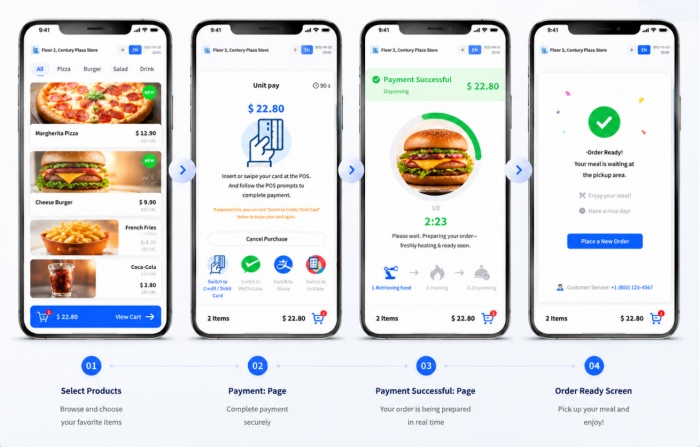
The complete transaction should also be tested. Customers experience the time required to select a meal, complete payment, wait for heating and collect the order—not just the microwave cycle. During busy periods, small delays at each stage can quickly lead to queues.
Available floor space is only the first part of a site assessment. The electrical supply, network connection, ventilation and indoor operating conditions must also meet the machine’s requirements. The selected location should be visible and easy to access without blocking corridors, entrances or emergency exits.
Payment options need to be confirmed in advance. Card terminals, mobile wallets and QR payment systems vary between countries and service providers. Compatibility, transaction fees and settlement arrangements should be reviewed before the equipment is configured.
Food safety remains the responsibility of the meal operator. Refrigerated storage, labeling, allergen information, cleaning and permitted storage periods must follow local requirements. A documented response is also needed for power interruptions, temperature deviations, equipment faults and expired meals.
Businesses still assessing whether this model is suitable for their operation can review this overview of why businesses are choosing hot food vending machines, which covers common applications and operating considerations.
A pilot location does more than test the equipment. It reveals when customers place orders, which meals they prefer and how often replenishment is actually required. It can also uncover packaging or heating problems that did not appear during early trials.
These findings allow the operator to adjust the menu, heating settings and daily process before expanding to additional sites. The most reliable deployments usually begin with a clearly defined service need and a food supply plan that works in practice.